
The Pre-Romanesque period spans from the emergence of the Merovingian kingdom around 500 AD, or from the Carolingian kingdom in the late 8th century, to the beginning of the Romanesque period in the 11th century.
Pre-Romanesque architecture refers to the architectural styles that emerged in Europe during the Early Middle Ages, roughly from the 5th to the 10th centuries. This period saw the decline of the Western Roman Empire and the rise of various barbarian kingdoms and Christian kingdoms.
Characteristics of Pre-Romanesque Architecture
1. Use of local materials: Pre-Romanesque architecture made use of local materials, such as wood, stone, and brick.
2. Simple and functional designs: Pre-Romanesque buildings were often simple and functional, with an emphasis on practicality rather than aesthetics.
3. Influence of ancient Roman architecture: Pre-Romanesque architecture was influenced by ancient Roman architecture, with many buildings featuring arches, columns, and other classical elements.
Regional Styles of Pre-Romanesque Architecture
1. Merovingian architecture(France, 5th-7th centuries) – Characterized by simple, functional designs and the use of local materials.
2. Lombard architecture (Italy, 6th-8th centuries) – Characterized by the use of classical elements, such as arches and columns.
3. Visigothic architecture (Spain, 5th-7th centuries) – Characterized by the use of horseshoe arches and other distinctive elements.
4. Insular architecture (Ireland and Scotland, 5th-10th centuries) – Characterized by the use of local materials, such as stone and wood, and simple, functional designs.
Romanesque architecture emerged in Europe during the 10th to 12th centuries The style eventually developed into the Gothic style with the shape of the arches providing a simple distinction: the Romanesque is characterized by semicircular arches while the Gothic is marked by the pointed arches. The Romanesque emerged nearly simultaneously in multiple countries of Western Europe; its examples can be found across the continent, making it the first pan-European architectural style since Imperial Roman architecture.
Combining features of ancient Roman and Byzantine buildings and other local traditions, Romanesque architecture is known by its massive quality, thick walls, round arches, sturdy pillars, barrel vaults ,large towers and decorative arcading. Each building has clearly defined forms, frequently of very regular, symmetrical plan.
The French term “romane” or the English Romanesque, meaning “in the manner of Romans”, has been used to describe the architectural style of the Mediaeval era, preceding the more easily recognizable Gothic architecture, since early in the 19th century.
Architecture of a Romanesque style also developed simultaneously in the north of Italy, parts of France and in the Iberian Peninsula in the 10th century.
Key Features:
1. Rounded Arches: Inspired by ancient Roman architecture.
2. Barrel Vaults: Allowed for more spacious interiors.
3. Thick Walls: Provided structural support and security.
4. Small Windows: Limited natural light, emphasizing the solidity of the building.
5. Decorative Arcades: Added visual interest with repeated arches.
Famous Examples:
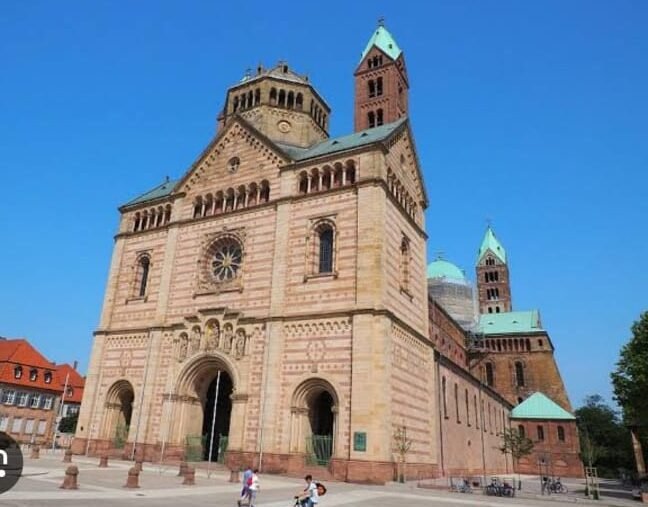
1. Speyer Cathedral (Speyer, Germany)
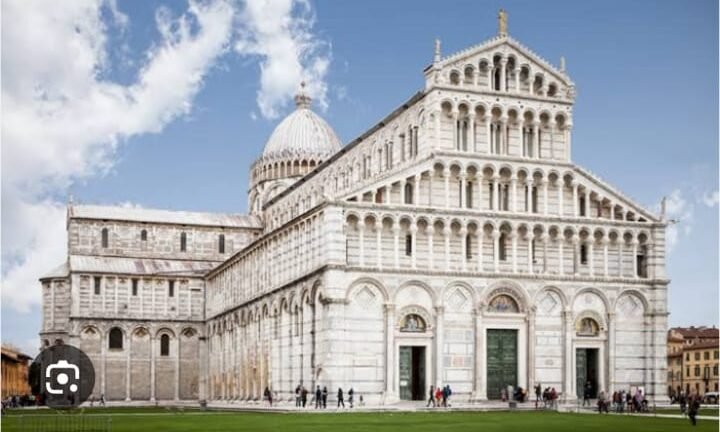
2. Pisa Cathedral (Pisa, Italy)
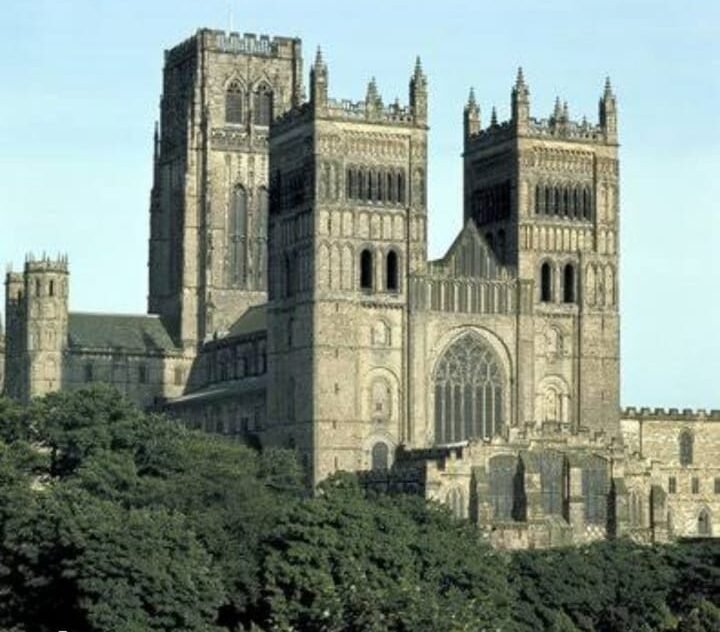
3. Durham Cathedral (Durham, England)
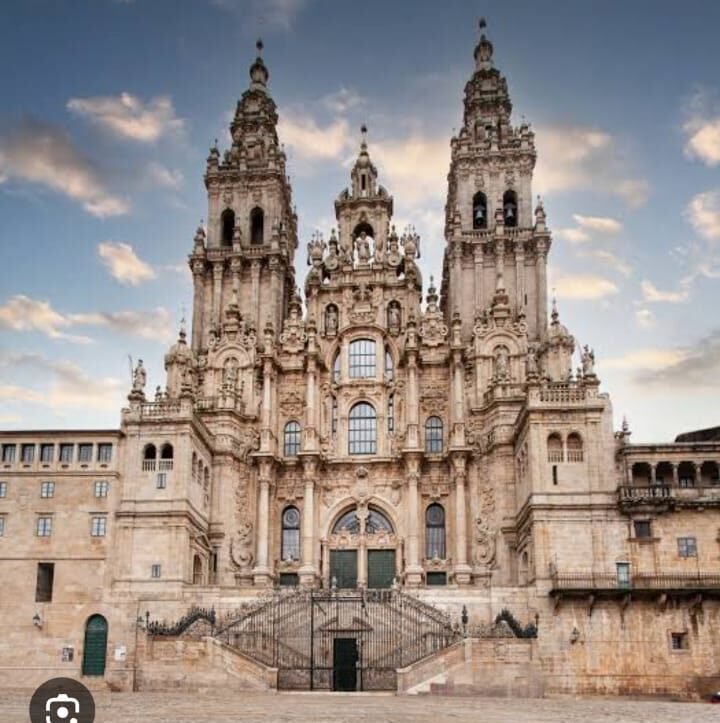
4. Santiago de Compostela Cathedral (Santiago de Compostela, Spain)
5. Mont Saint-Michel Abbey (Normandy, France)
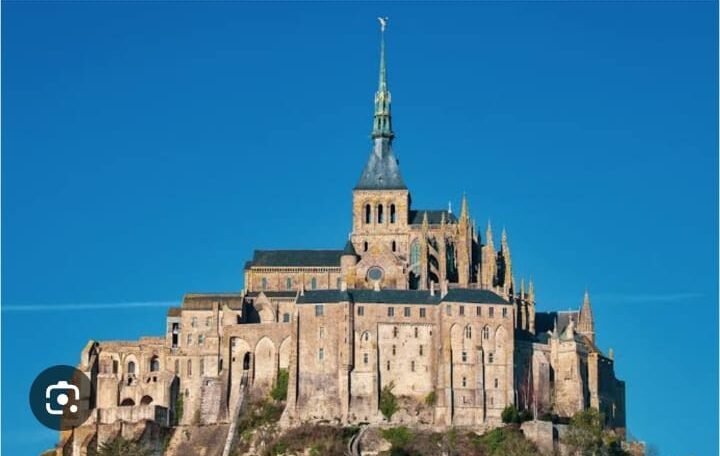
Types of Romanesque Architecture:
1. First Romanesque (10th-11th centuries): Characterized by simple, fortress-like designs.
The beginning of 11th century is called First Romanesque, or Lombard Romanesque. It took place in the region of Lombardy (at that time the term encompassing the whole of Northern Italy) and spread into Catalonia(Spain) and into the south of France. Its principal decoration for the exterior, bands of ornamental blind arches are called Lombard bands. It was characterized by thick walls and lack of sculpture in facades, and with interiors profusely painted with frescoes.
Lombardus became the word for mason at an early period
Characteristics of First Romanesque Architecture:
1. Simple and austere designs: First Romanesque buildings were often simple and austere, with an emphasis on functionality.
2. Use of arches and vaults: First Romanesque architecture saw the introduction of arches and vaults, which allowed for more complex and elaborate designs.
Famous Examples of First Romanesque Architecture
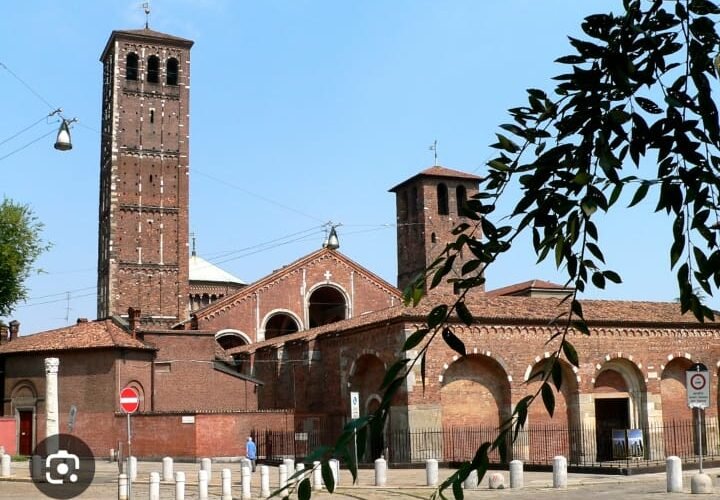
1. Sant’Ambrogio, Milan, Italy (9th-10th centuries) – A early example of First Romanesque architecture, featuring a simple and austere design.
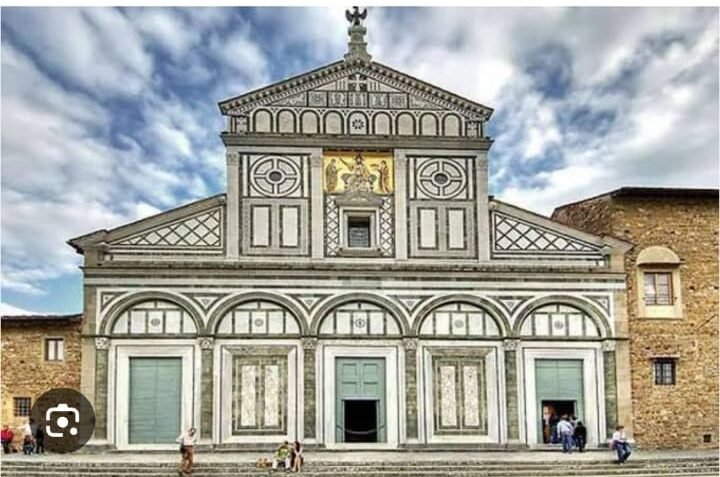
2. San Miniato al Monte, Florence, Italy (11th century) – A beautiful example of First Romanesque architecture, featuring a simple and elegant design.
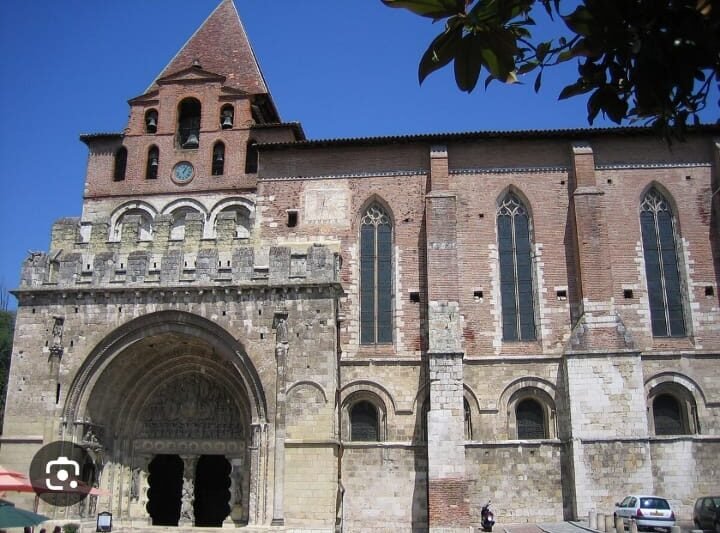
3. Saint-Pierre, Moissac, France (10th-11th centuries) – A famous example of First Romanesque architecture, featuring a unique blend of Romanesque and Gothic elements.
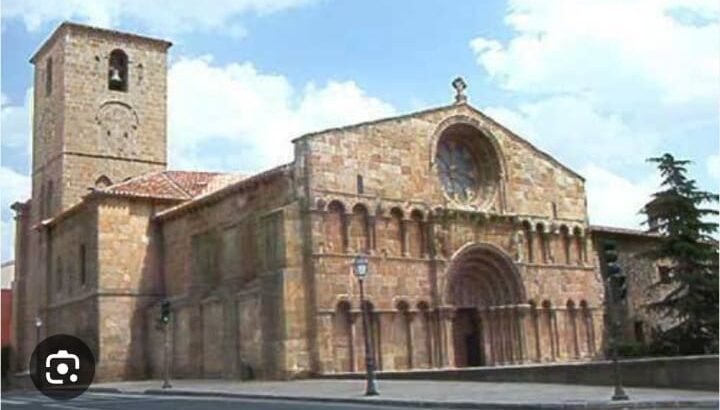
4. Santo Domingo, Soria, Spain (11th century) – A stunning example of First Romanesque architecture, featuring a simple and austere design.
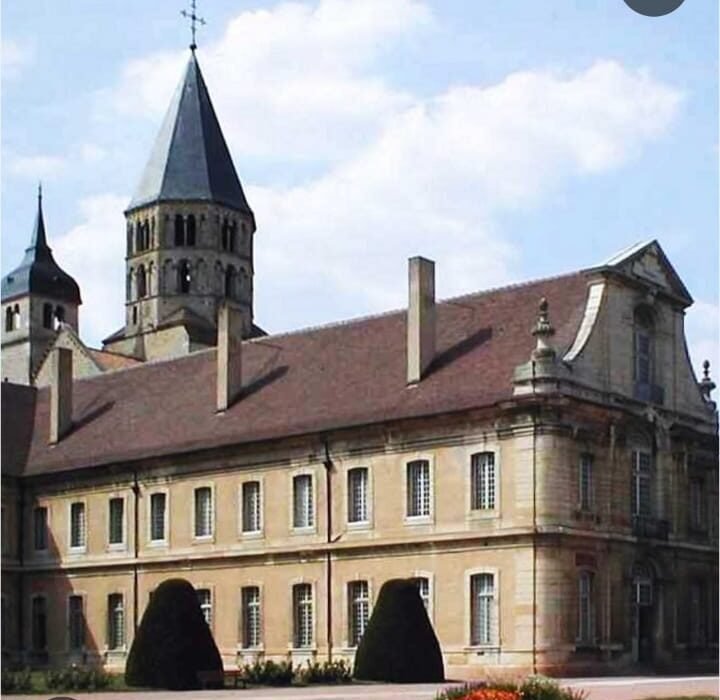
5. The Abbey of Cluny, France (10th-11th centuries) – A famous example of First Romanesque architecture, featuring a complex and elaborate design.
2. High Romanesque (11th-12th centuries): Featured more elaborate, ornate designs.
High Romanesque architecture refers to the architectural style that emerged in Europe during the 11th and 12th centuries, particularly during the reign of the Holy Roman Empire.
Characteristics of High Romanesque Architecture:
1. Increased use of stone: High Romanesque architecture saw an increase in the use of stone, particularly limestone and sandstone, which allowed for more elaborate and durable structures.
2. Development of the cruciform plan: High Romanesque architecture saw the development of the cruciform plan, which featured a central nave and transepts that formed a cross shape.
3. Use of ribbed vaults: High Romanesque architecture saw the introduction of ribbed vaults, which allowed for more complex and elaborate ceiling designs.
4. Increased use of sculpture and ornamentation: High Romanesque architecture saw an increase in the use of sculpture and ornamentation, particularly in the form of carved capitals and tympana.
Famous Examples of High Romanesque Architecture:
1. Speyer Cathedral, Germany (1060-1110) – A UNESCO World Heritage Site and one of the most famous examples of High Romanesque architecture.
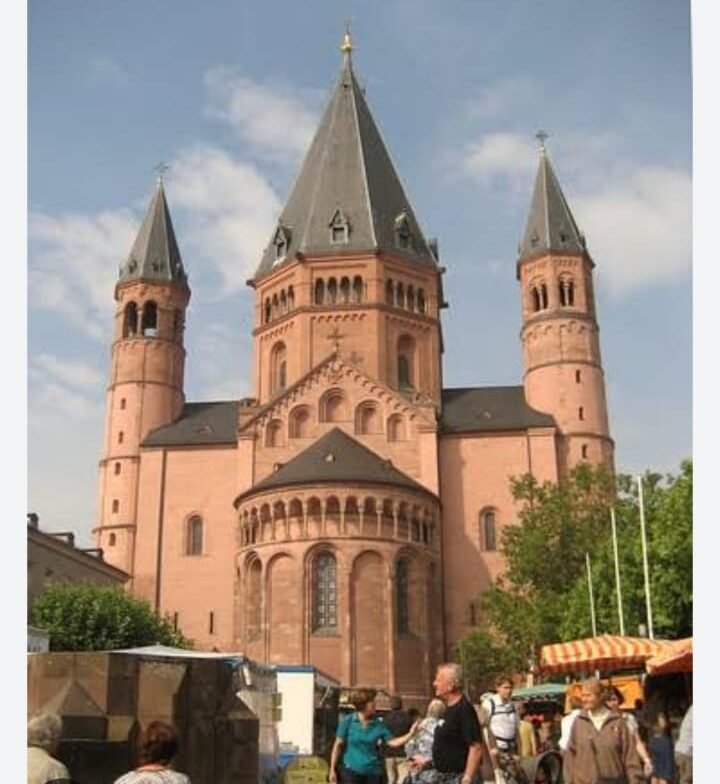
2. Mainz Cathedral, Germany (1081-1137) – A stunning example of High Romanesque architecture, featuring a complex cruciform plan and elaborate sculpture.
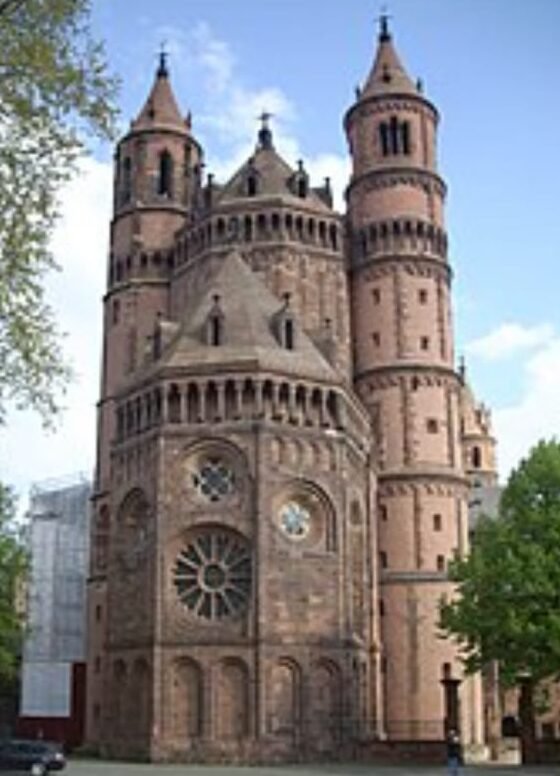
3. Worms Cathedral, Germany (1110-1181) – A beautiful example of High Romanesque architecture, featuring a unique blend of Romanesque and Gothic elements.
4. Santiago de Compostela Cathedral, Spain (1075-1211) – A famous pilgrimage site and a stunning example of High Romanesque architecture.
5. Pisa Cathedral, Italy (1063-1118) – A beautiful example of High Romanesque architecture, featuring a unique blend of Romanesque and Gothic elements.
Regional Variations of High Romanesque Architecture
1. German Romanesque: Characterized by the use of complex cruciform plans and elaborate sculpture.
2. French Romanesque: Characterized by the use of ribbed vaults and flying buttresses.
3. Italian Romanesque: Characterized by the use of marble and other decorative materials.
4. Spanish Romanesque: Characterized by the use of horseshoe arches and other Moorish influences.
Romanesque architecture played a significant role in shaping the built environment of medieval Europe, influencing the development of subsequent architectural styles, including Gothic architecture.